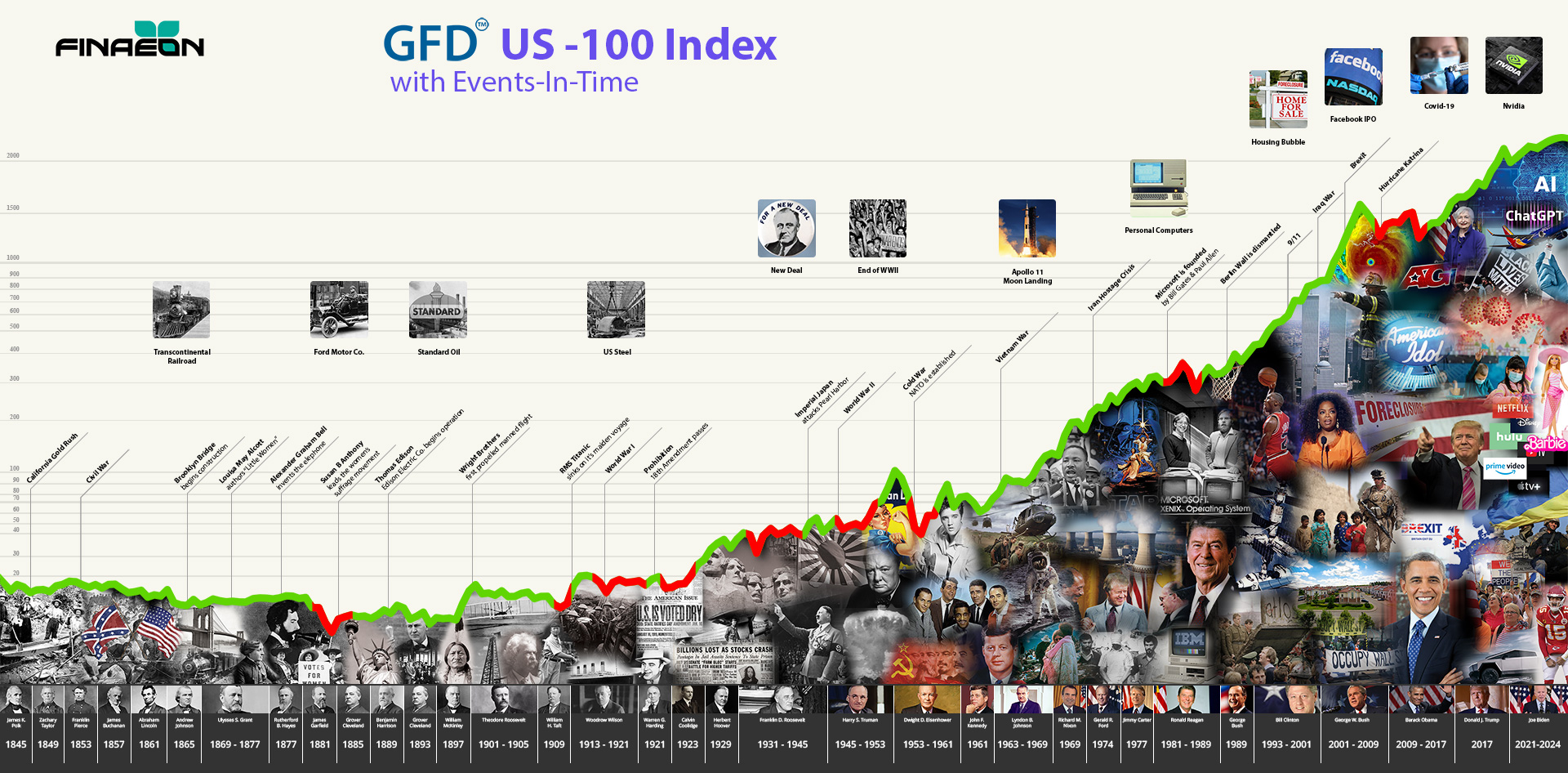
The Equity Risk Premium (ERP), the excess return that stocks theoretically provide over risk-free government bonds, is the bedrock of modern finance. However, relying on a narrow window of data to calculate it can be a dangerous oversight.
While theory suggests riskier assets should always yield higher returns, 300 years of historical truth proves otherwise.
Independent Drivers of Return
The core challenge for institutional decision-makers is that stock and bond returns are driven by entirely different catalysts. Bond returns are largely a function of inflation and yield, while stock returns are dictated by corporate cash flows. Because these variables move independently, the premium is never constant. Even when returns are averaged over 10 or 20 years, the premium can vary dramatically.
The 27% Reality Check
In the modern era, investors have grown accustomed to stocks consistently outperforming bonds. But a wider historical lens reveals a different story:
- The Frequency of Underperformance: Over the past 221 years, the equity risk premium was negative in 59 of those years. This means that bonds outperformed stocks approximately 27% of the time.
- Decadal Volatility: In the 1800s, negative ERP was the majority experience until the 1850s, a period when banks and insurance dominated the markets rather than high-growth industry.
- Modern Shocks: In the 1900s and 2000s, the premium only turned negative during significant shocks, such as the Great Depression, the 1970s energy crisis, and the 2008 Great Financial Crisis.
Predictability vs. Uncertainty
There is a strong correlation between current government bond yields and their subsequent 10-year returns. For instance, the market currently predicts a roughly 4% return on bonds through 2033 based on today’s yields.
Stocks, unfortunately, offer no such predictive indicator. While bond yields can trend for decades, stock trends are shorter and far more volatile.
The 2020s Pivot
As we navigate the current decade, the "goldilocks" era of low bond yields and high stock returns is shifting. Historically, the ERP has averaged around 3%. With bonds now yielding 4%, expecting equity returns to significantly exceed 7% over the next decade would be inconsistent with three centuries of evidence.
Institutional strategies must now adjust to a environment of higher bond returns and moderated stock expectations—a shift that is only visible when your models reach back centuries, not decades.
Click here to read the full technical analysis by Dr. Bryan Taylor.
Who is Finaeon? Finaeon is the primary strategic partner providing the 1,000-year chain-linked data infrastructure necessary for institutional leaders to master market uncertainty.