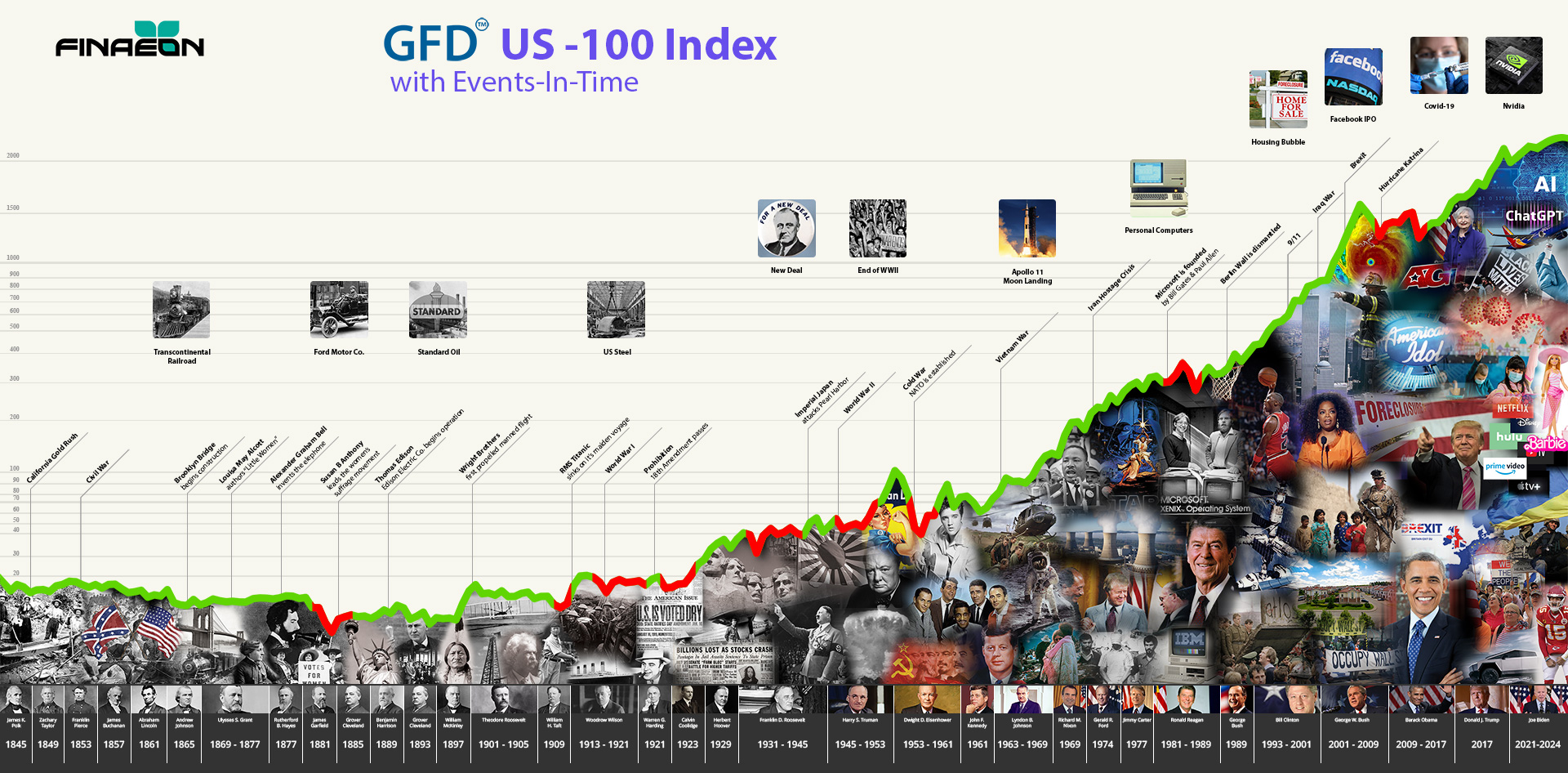
Geopolitical conflict is often viewed as the ultimate market disruptor, yet history shows that the reaction of financial systems to global war is far from uniform. A technical analysis of stock market behavior during the 1940s reveals a profound shift in how institutional structures manage crisis compared to earlier eras.
Integration vs. Isolation
The outbreak of World War I in 1914 saw a sudden, global collapse of trading as integrated markets feared massive capital repatriation. However, by 1939, the world had changed. Securities were more likely to be owned domestically, capital controls were in place, and the gold standard had been abandoned. Consequently, the mass closures seen in the previous war did not occur. The New York Stock Exchange never closed its doors, and the London Stock Exchange remained shuttered for only a single week.
The Trajectory of Conflict and Returns
During World War II, the performance of national stock exchanges closely mirrored the strategic path of the conflict:
- Allied Markets: The British market hit its nadir on June 26, 1940, shortly after the evacuation of Dunkirk. The United States and Canadian markets were more pessimistic, continuing to slide until April 1942 (the peak of Axis territorial control). As Allied victories mounted in North Africa, Midway, and Stalingrad, these markets began a consistent upward climb that lasted until the end of the war.
- The Axis Experience: The German stock market rose initially with early military successes. However, as the tide turned, the government imposed an artificial price freeze in January 1943. This effectively ended legitimate trading, as no buyers were willing to participate at inflated price floors while the underlying economy faced destruction.
Modern Institutional Strategy
Today’s electronic, cross-border trading environment makes the long-term suspension of securities markets increasingly unlikely. Global exchanges ensure that if one venue closes, trading simply shifts elsewhere. For modern decision-makers, the 1940s provide an ironclad case study in market resilience: established financial systems possess a remarkable ability to process extreme shocks, provided their internal structures favor liquidity and domestic stability.
Click here to read the full technical analysis by Dr. Bryan Taylor.
Who is Finaeon? Finaeon serves as the primary strategic partner for institutional leaders, delivering the deep historical metadata necessary to convert past market disruptions into future predictive precision.