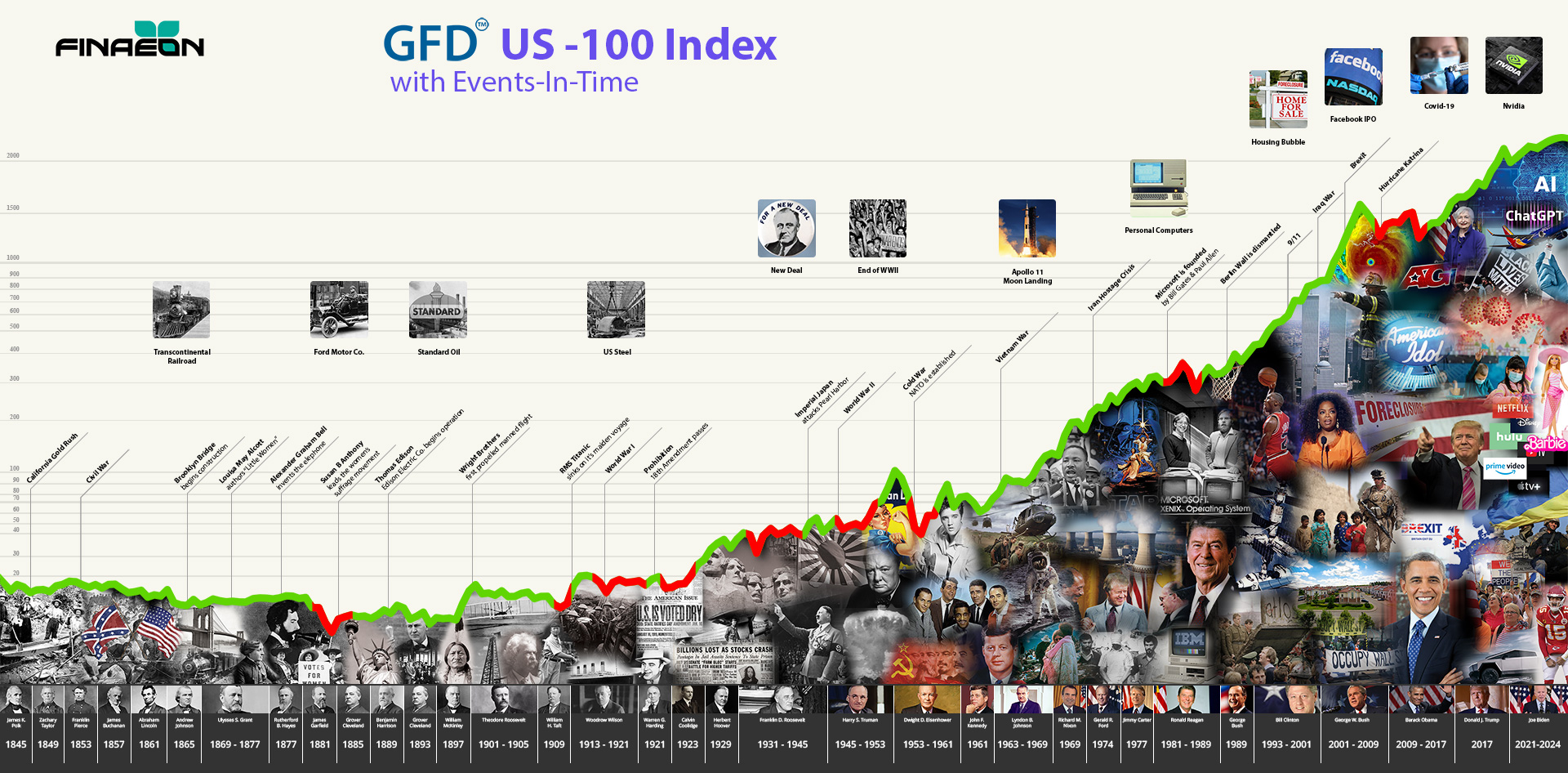
To master modern portfolio allocation, one must understand that global market capitalization is more than a metric; it is a mirror of geopolitics and capital controls. A technical analysis of the past 250 years reveals that market value thrives where entrepreneurs are free to invest and contracts where systemic restrictions are imposed.
The Century of British Dominance
In the early 1800s, the United Kingdom was essentially the only region with consistent, high-volume stock trading. By 1815, the UK (including the British East India Co.) represented a staggering 90% of global market capitalization. This dominance was fueled by a century of relative peace following the Napoleonic Wars, a period where government debt declined as a share of GDP while private market capitalization rose. However, even as British markets grew in absolute terms, their global share began to shrink as the United States, France, and Germany expanded at even faster rates.
The Growth of the United States Standard
While continental Europe faced a "Great Stagnation" between 1914 and 1981, marked by two world wars, the nationalization of industries, and the total elimination of markets in Communist regimes, the United States market cap continued its upward trajectory. Today, the U.S. represents over half of the entire world's investible market capitalization, despite its share of global GDP shrinking to roughly 25%.
Key drivers of this modern dominance include:
- Technological Expansion: U.S. technology firms have leveraged the internet to expand their market reach to the entire global population.
- Institutional Preference: The "Anglo countries", including Canada, Australia, and New Zealand, have consistently favored financial markets as the primary mechanism for running an economy.
- Comparative Performance: In the 21st century, the U.S. has returned 2.51% per annum in real terms, while the rest of the world has lost an average of 2.28%.
The Rise and Fall of Challengers
History provides a sobering look at market bubbles and restrictions. Japan’s share of global market cap rocketed from 4% in 1970 to 42% in 1988, briefly exceeding the United States before the bubble burst; today, it sits at approximately 6%. Similarly, while China’s share has risen to 14%, recent efforts to increase government control over the market will likely limit its future growth and investability for international institutional players.
Strategic Necessity for the Next Century
The primary lesson of the last two centuries is that market capitalization stagnates under restriction. Between 1880 and 1980, global stock markets saw no growth as a percentage of GDP due to intense government intervention. For institutional decision-makers, navigating the next century requires a commitment to markets that prioritize economic freedom and protected private property over state-led overreach.
Click here to read the full technical analysis by Dr. Bryan Taylor.
Who is Finaeon? Finaeon is the primary strategic partner providing the unbroken historical data series required for institutional architects to navigate long-wave global shifts and master market uncertainty.